

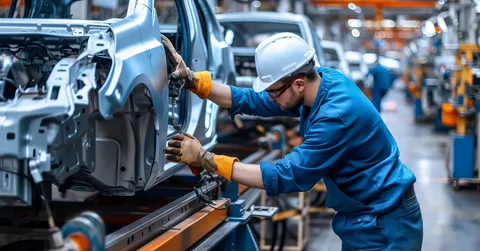
India’s automobile industry is one of the fastest-growing manufacturing sectors, contributing significantly to employment generation and industrial development. With rising demand for passenger vehicles, commercial vehicles, electric vehicles (EVs), and smart manufacturing systems, the need for skilled engineers has increased rapidly. Among the most important technical roles in this sector, Automotive Production Engineer jobs have become highly valuable for engineering graduates looking to build long-term careers in manufacturing and industrial operations.
Production engineers play a critical role in ensuring that vehicle manufacturing processes run efficiently, safely, and cost-effectively. From managing assembly lines to improving production efficiency and maintaining quality standards, production engineers are central to the success of every automobile manufacturing company. For fresh engineering graduates and experienced professionals, this field offers strong salary growth, career stability, and future opportunities in advanced automotive technologies.
This guide explores Automotive Production Engineer jobs, including roles, responsibilities, qualifications, salary structure, skills required, and career opportunities in India.
What Is an Automotive Production Engineer?
An Automotive Production Engineer is responsible for planning, monitoring, improving, and managing vehicle manufacturing processes inside automobile production plants. Their primary goal is to ensure smooth production flow while maintaining quality standards, minimizing costs, and improving manufacturing efficiency.
Automobile companies like Tata Motors, Maruti Suzuki India Limited, Mahindra & Mahindra, Hyundai Motor India, Toyota Kirloskar Motor, and Kia India regularly hire production engineers for manufacturing operations.
Production engineers work closely with assembly teams, machine operators, maintenance departments, quality control teams, and plant managers to ensure production targets are achieved.
Main Roles of an Automotive Production Engineer
Production engineers handle multiple responsibilities related to factory operations and manufacturing management.
Here are the primary job roles.
1. Production Planning
One of the most important responsibilities is planning daily manufacturing operations.
This includes:
- Scheduling production activities
- Managing manufacturing timelines
- Allocating production resources
- Monitoring production targets
- Ensuring smooth workflow management
Proper planning helps factories meet delivery schedules efficiently.
2. Assembly Line Management
Automobile production engineers monitor assembly line performance and ensure uninterrupted manufacturing operations.
Responsibilities include:
- Supervising assembly line processes
- Monitoring production speed and efficiency
- Identifying production bottlenecks
- Coordinating with production teams
- Improving workflow efficiency
Assembly line management directly affects factory productivity.
3. Process Improvement
Production engineers continuously analyze manufacturing systems and look for ways to improve efficiency.
Responsibilities include:
- Reducing production downtime
- Improving manufacturing speed
- Optimizing machine utilization
- Reducing material waste
- Increasing operational efficiency
Process improvement helps companies lower costs while maintaining production quality.
4. Quality Control Support
Maintaining product quality is critical in automobile manufacturing. Production engineers work closely with quality control teams to ensure standards are maintained.
Responsibilities include:
- Monitoring product quality standards
- Identifying production defects
- Supporting quality inspection procedures
- Implementing quality improvement strategies
- Ensuring compliance with manufacturing standards
Quality management protects company reputation and customer safety.
5. Machine and Equipment Monitoring
Production engineers oversee manufacturing equipment and ensure machines function properly.
Responsibilities include:
- Monitoring machine performance
- Coordinating maintenance schedules
- Reducing machine breakdowns
- Supporting preventive maintenance planning
- Improving equipment efficiency
Efficient machine performance directly affects production output.
6. Safety and Compliance Management
Automobile factories operate under strict industrial safety regulations. Production engineers help maintain safe working conditions.
Responsibilities include:
- Implementing workplace safety procedures
- Monitoring employee safety compliance
- Conducting safety inspections
- Reducing workplace accident risks
- Following industrial compliance standards
Safety management is a critical part of factory operations.
Educational Qualifications Required
Candidates applying for Automotive Production Engineer jobs usually need engineering qualifications.
Common educational requirements include:
Bachelor’s Degree
Most companies require:
- B.Tech Mechanical Engineering
- B.Tech Automobile Engineering
- B.Tech Production Engineering
- B.Tech Industrial Engineering
Diploma Route
Some candidates begin through:
- Diploma in Mechanical Engineering
- Diploma in Automobile Engineering
- Diploma in Production Engineering
Diploma holders may initially work as trainees before moving into engineering roles.
Additional Certifications
Useful certifications include:
- CAD software training (AutoCAD, CATIA, SolidWorks)
- Manufacturing process management certifications
- Lean manufacturing training
- Six Sigma certification
- Industrial automation certifications
Additional certifications improve hiring chances significantly.
Skills Required for Production Engineer Jobs
Candidates should focus on building technical and workplace skills.
Important skills include:
Manufacturing Process Knowledge
Understanding how automobile factories operate is essential.
Mechanical Engineering Fundamentals
Strong knowledge of machines, automotive systems, and production equipment helps candidates perform better.
Quality Control Understanding
Production engineers must understand product inspection and quality assurance systems.
Problem-Solving Ability
Factories require engineers who can quickly solve production-related technical issues.
Data Analysis Skills
Production engineers monitor manufacturing performance and analyze production efficiency data.
Communication and Team Management
Production engineers coordinate with multiple departments, making communication skills extremely important.
Automation Knowledge
Modern factories increasingly rely on robotics, CNC machines, and automation systems.
Salary Structure for Automotive Production Engineers in India
Automotive production engineering offers strong salary growth potential.
Average salary estimates include:
- Graduate Engineer Trainee (GET): ₹4 LPA to ₹7 LPA
- Junior Production Engineer: ₹5 LPA to ₹8 LPA
- Production Engineer: ₹6 LPA to ₹10 LPA
- Senior Production Engineer: ₹10 LPA to ₹15 LPA
- Production Manager: ₹15 LPA to ₹25 LPA
- Plant Manager: ₹25 LPA and above
Salary depends on company, experience, and technical specialization.
Companies Hiring Automotive Production Engineers
Several automobile companies actively recruit production engineers in India.
Major employers include:
- Tata Motors
- Maruti Suzuki India Limited
- Mahindra & Mahindra
- Hyundai Motor India
- Toyota Kirloskar Motor
- Kia India
- Ashok Leyland
- MG Motor India
These companies regularly hire engineers for plant operations and production management roles.
Career Growth Opportunities
Production engineering offers excellent long-term career progression.
Common career path:
Graduate Engineer Trainee → Junior Production Engineer → Production Engineer → Senior Production Engineer → Production Manager → Plant Manager
Other growth opportunities include:
- Quality Engineering
- Manufacturing Engineering
- Supply Chain Management
- Plant Operations Management
- Robotics and Automation Engineering
- EV Manufacturing Engineering
- Industrial Engineering Leadership
Continuous skill development creates faster career growth opportunities.
Future Scope of Production Engineering in India
The future of automotive production engineering looks extremely strong due to rapid industrial transformation.
Major growth sectors include:
Electric Vehicle Manufacturing
EV production plants are creating high demand for production engineers.
Robotics and Automation
Factories increasingly depend on automated production systems.
Smart Manufacturing
Industry 4.0 technologies are transforming factory operations.
Battery Manufacturing
EV battery production facilities require specialized production engineers.
Advanced Automotive Manufacturing
Connected vehicles and AI-powered production systems are creating new technical opportunities.
Production engineers who learn future technologies will remain highly valuable.
How to Apply for Automotive Production Engineer Jobs
Candidates should follow a structured job search strategy.
Step 1: Build Technical Skills
Focus on manufacturing, automation, CAD software, and quality control knowledge.
Step 2: Gain Internship Experience
Industrial internships improve practical knowledge and hiring chances.
Step 3: Build a Strong Resume
Include:
- Engineering qualifications
- Technical certifications
- Internship experience
- Relevant projects
- Software knowledge
Step 4: Apply Through Company Career Portals
Regularly check official company recruitment websites.
Step 5: Prepare for Technical Interviews
Focus on:
- Mechanical engineering concepts
- Production management systems
- Manufacturing processes
- Machine operations
- Quality control standards
Consistent preparation improves selection chances.
Final Thoughts
For engineering graduates looking for stable and rewarding careers, Automotive Production Engineer jobs offer some of the strongest opportunities in India’s growing manufacturing sector. Leading employers such as Tata Motors, Maruti Suzuki India Limited, Toyota Kirloskar Motor, and Mahindra & Mahindra continue hiring production engineers as manufacturing operations expand.
With strong salary growth, technical learning opportunities, future EV manufacturing demand, and long-term career stability, production engineering remains one of the best career choices in India’s automotive industry in 2026 and beyond.
