

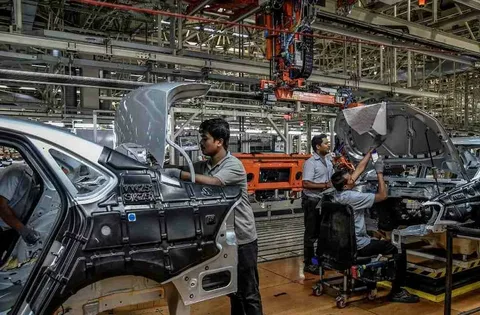
India’s automobile industry is evolving rapidly, driven by electric vehicles (EVs), automation, robotics, artificial intelligence, smart manufacturing, and Industry 4.0 technologies. As major automotive companies continue expanding production facilities, the demand for technically skilled professionals is increasing across manufacturing plants nationwide. For freshers, diploma holders, engineers, ITI candidates, and experienced professionals, understanding the top skills required for automobile manufacturing jobs in India in 2026 has become essential for building a successful long-term career.
Leading companies such as Tata Motors, Maruti Suzuki India Limited, Mahindra & Mahindra, Hyundai Motor India, Toyota Kirloskar Motor, Honda Cars India, and Kia India are increasingly prioritizing candidates who combine traditional manufacturing knowledge with modern technical skills.
As competition for manufacturing jobs grows, candidates with future-ready technical expertise will have stronger hiring opportunities and faster career progression.
This guide explains the most in-demand skills for automobile manufacturing jobs in India in 2026.
Why Skills Matter More in the Automotive Industry in 2026
The automobile manufacturing industry is no longer limited to traditional mechanical assembly. Modern factories now depend on robotics, software systems, automated production lines, EV battery technology, digital manufacturing systems, and advanced quality control processes.
Companies today are looking for professionals who can work efficiently in technologically advanced manufacturing environments.
Major industry changes creating new skill demand include:
- Expansion of electric vehicle manufacturing
- Increased factory automation and robotics
- Smart manufacturing systems using Industry 4.0
- Growing demand for battery production specialists
- AI-powered production monitoring systems
- Higher global quality standards in automotive manufacturing
Because of these changes, technical skill development has become critical for long-term career success.
1. Mechanical Engineering Fundamentals
Strong mechanical knowledge remains one of the most important skills in automobile manufacturing.
Candidates should understand:
- Mechanical systems and machine operation
- Automotive engine systems
- Manufacturing equipment operation
- Production machinery maintenance
- Mechanical assembly processes
Mechanical engineering fundamentals remain essential for production technicians, machine operators, maintenance staff, and engineers.
This skill is especially important for candidates applying to companies like Ashok Leyland and Bajaj Auto.
2. Electric Vehicle (EV) Technology Knowledge
The EV sector is growing rapidly in India. Automotive companies are aggressively hiring professionals with electric vehicle knowledge.
Important EV concepts include:
- Battery systems understanding
- Lithium-ion battery technology
- EV motor systems
- Charging infrastructure basics
- Battery safety procedures
- Battery Management Systems (BMS)
EV-related technical knowledge will become one of the most valuable career skills in 2026.
Companies actively hiring EV professionals include Ola Electric and Ather Energy.
3. CNC Machine Operation Skills
Modern automobile factories rely heavily on CNC machines for manufacturing precision components.
Candidates should learn:
- CNC machine programming basics
- Machine setup procedures
- Operating automated machining systems
- Troubleshooting machine errors
- Precision manufacturing standards
CNC machine operation skills are highly valuable for technical and factory roles.
4. Robotics and Automation Knowledge
Automation is transforming manufacturing plants across India. Companies increasingly use robotic systems for assembly, welding, painting, and material handling.
Important automation skills include:
- Understanding robotic manufacturing systems
- Automated production line operation
- Industrial robotics basics
- PLC (Programmable Logic Controller) systems
- Automation troubleshooting
Candidates with automation knowledge often receive better salary packages.
5. Quality Control and Inspection Skills
Automobile manufacturers follow strict quality standards to ensure vehicle safety and customer satisfaction.
Important quality-related skills include:
- Defect detection methods
- Automotive quality testing procedures
- Product inspection systems
- Quality documentation processes
- Root cause analysis
Quality control professionals are critical in every automobile manufacturing plant.
6. Production Process Management
Manufacturing companies value candidates who understand how production systems operate.
Important knowledge areas include:
- Assembly line operations
- Production planning systems
- Manufacturing workflow management
- Process improvement techniques
- Production efficiency monitoring
Production process understanding helps candidates move into supervisory roles faster.
7. CAD Software Knowledge
Automotive engineering increasingly depends on computer-aided design systems.
Useful software includes:
- AutoCAD
- CATIA
- SolidWorks
- Creo
- Siemens NX
Design engineers and production engineers frequently use these tools.
Engineering candidates should prioritize learning CAD software.
8. Industrial Safety Knowledge
Automobile factories operate under strict industrial safety regulations.
Important safety knowledge includes:
- Workplace safety procedures
- Hazard identification systems
- Fire safety training
- Machine safety procedures
- Personal Protective Equipment (PPE) standards
Companies strongly prefer candidates who understand factory safety systems.
9. Problem-Solving and Troubleshooting Ability
Manufacturing environments require employees who can identify problems quickly and solve them efficiently.
Important abilities include:
- Machine troubleshooting
- Identifying production bottlenecks
- Root cause analysis
- Equipment failure diagnosis
- Process improvement thinking
Problem-solving skills improve long-term career growth significantly.
10. Communication and Teamwork Skills
Automobile manufacturing depends on strong coordination between production teams, engineers, maintenance staff, supervisors, and quality control departments.
Candidates should improve:
- Communication skills
- Team collaboration ability
- Workplace discipline
- Reporting and documentation skills
- Leadership potential
Strong communication skills often lead to faster promotions.
11. Electrical and Electronics Knowledge
Modern vehicles increasingly depend on electronic systems and advanced electrical components.
Important knowledge areas include:
- Automotive electrical systems
- Vehicle sensors and controllers
- Circuit troubleshooting
- Battery systems understanding
- Electrical maintenance procedures
This skill becomes even more valuable as EV manufacturing grows.
12. Lean Manufacturing and Six Sigma Knowledge
Manufacturing companies increasingly focus on reducing waste and improving efficiency.
Useful concepts include:
- Lean manufacturing systems
- Waste reduction methods
- Six Sigma quality improvement
- Kaizen process improvement
- Continuous improvement strategies
These skills are valuable for supervisory and engineering roles.
Best Courses to Learn Automobile Manufacturing Skills
Candidates can improve job opportunities by completing relevant certifications.
Popular courses include:
- CNC Machine Operation Training
- AutoCAD Certification
- CATIA Design Course
- EV Technology Certification
- PLC Automation Course
- Six Sigma Certification
- Industrial Safety Training
- Quality Control Certification
- Mechanical CAD Design Training
Practical technical certifications improve hiring chances significantly.
Companies Hiring Skilled Automotive Professionals in 2026
Major automobile companies expected to hire aggressively include:
- Tata Motors
- Maruti Suzuki India Limited
- Mahindra & Mahindra
- Toyota Kirloskar Motor
- Honda Cars India
- Kia India
- Ashok Leyland
- Bajaj Auto
- Ola Electric
- Ather Energy
Candidates with technical specialization will have better employment opportunities.
Final Thoughts
The future of automobile manufacturing in India is becoming more technology-driven than ever before. Companies are no longer hiring only traditional mechanical workers — they now seek professionals who understand EV technology, automation, robotics, advanced manufacturing systems, quality control, and smart factory operations.
For anyone planning a career in automotive manufacturing, developing the top skills required for automobile manufacturing jobs in India in 2026 can significantly improve job opportunities, salary growth, and long-term career stability.
Professionals who continuously upgrade technical skills will be in the strongest position to succeed as India’s automobile industry enters its next phase of transformation.
